Cheyenne and Northern Colorado Housing Market: November 2026 Report
October 2026 numbers for Cheyenne, Laramie, Fort Collins, Loveland, Windsor and Greeley, side by side, with the source next to every figure.
Read the guide

By Cody Harvey · Updated November 25, 2026
A general home inspection is the same idea everywhere. Someone who knows houses walks the whole thing and writes down what they see.
What's different here is the ground, the weather and the paperwork. Clay that swells. Wind that works on a roof all year in Cheyenne and Laramie. Hail along the Colorado Front Range. Radon on both sides of the line. And two states that run the inspection period two different ways.
Here's how the clock works in each state, which add-on inspections earn their cost on our side of the map, and what to do when a 60 page report hits your inbox.
Colorado brokers have to use the Real Estate Commission's approved forms. The current Contract to Buy and Sell Real Estate (Residential) was adopted August 5, 2025 and became mandatory January 1, 2026. Section 10.3 gives you the right to inspect the roof, walls, structure, electrical, plumbing, heating and cooling, utilities and more. If anything is unsatisfactory "in Buyer's sole subjective discretion," you have three dates to work with:
Read that first bullet twice. Sending an objection gives up your simple right to terminate under the termination deadline. Decide which you are before anything goes out.
The Commission's Position 25 lists five usual ways to settle inspection items: the seller repairs before closing, the seller pays a concession, you change the price, the seller escrows money or pays a contractor at closing if your lender allows it, or you fix it yourself after closing. The deal you reach goes on the Commission's Inspection Resolution form or an Agreement to Amend/Extend. Position 25 also tells brokers to have buyers ask their lender first, because a resolution can affect the loan, delay funding or add inspections.
Two clock rules. A deadline day ends at 11:59 p.m. Mountain Time unless the contract sets another time. And under Section 24.1, if your notice isn't received by the deadline, you've accepted the condition as satisfactory. A late notice doesn't count.
Wyoming has no single state purchase contract. The Wyoming Real Estate Commission's rules (Chapter 3, Section 1) say what every offer has to include, and two items matter here: a "complete and accurate description of all contractual conditions," and any understanding for the return of earnest money. So the inspection period is whatever your offer says it is. The days, what you can do if you don't like the results, and how your earnest money comes back all have to be written in.
Any change has to be dated and initialed by all parties, and any amendment or extension has to be in writing and signed by everyone. That's the part I can confirm from the Commission's rules. The form itself can vary by brokerage, so read the inspection paragraph in yours line by line before you sign.
Wyoming also leaves more of the finding out to you. A seller's agent has to disclose "all adverse material facts actually known" (W.S. 33-28-303), but under W.S. 33-28-310(b) an agent has no duty to inspect the property for you or to check what the seller said. Your inspection carries more weight here.
A general inspection looks at what the inspector can see and reach: roof covering, attic, structure, foundation walls, drainage at the house, electrical panel and outlets, plumbing fixtures, water heater, furnace and air conditioning, windows, doors and the built in appliances.
What it usually can't see is underground or behind a wall. The sewer line. The soil under the slab. The air you breathe in the basement. That's where the add-ons come in.
Not every house needs every one. Here's the list I'd go through with you, with why each one matters in this area.
This one surprises people. I couldn't find a state license for general home inspectors in either state.
In a 2014 review, Colorado's own Department of Regulatory Agencies wrote that "home inspectors are an unregulated profession in Colorado" and recommended licensing. I found no law since that created one. Radon is different. Colorado requires radon measurement and mitigation work to be done by a licensed professional, and the state health department links to a lookup of licensed radon contractors. Larimer County licenses its own septic transfer inspectors.
I found no state license for home inspectors on any official Wyoming page. For radon, the Wyoming Department of Health recommends a professional certified through NRPP or NRSB, the two national radon certification programs.
In both states, ask any inspector about training, how long they've done it, whether they carry insurance, and for a sample report. Then read the sample. A good report tells you what they saw, where, and what kind of pro to call next.
Start with the summary, then sort every item into three piles:
Pile one is where you negotiate. Pile two is where you call someone this week. Pile three goes on your first year to do list.
In Colorado, your list of requests goes on the Commission's Inspection Objection Notice by the objection deadline. In Wyoming, it goes in a written amendment or whatever notice your contract calls for, by your contract's date. Either way, a specific request ("have a licensed HVAC contractor service the furnace and fix the items in the report") gets a clearer answer than "furnace."
Then use your walk through. The Colorado contract (Section 18.4) gives you the right to walk the house before closing to check its condition matches the contract. In Wyoming, write a final walk through into your offer. If repairs were part of the deal, ask for the receipts.
We'll tell you the truth about every house and which items on a report are a big deal and which aren't. The choice is always yours.
The city or county inspector checks a new home against code. Your inspector works for you. Those aren't the same job.
Our new construction in Northern Colorado post covers the rest.
I'm not an inspector, an engineer or an attorney. For a question about a specific house or contract term, call the right pro before your deadline passes.
Our free Buyer Guide walks through the whole purchase, inspections included. If you're under contract in Cheyenne, Laramie, Fort Collins, Loveland, Greeley or anywhere between and want help lining up the right inspections in time, call or text 307-317-5372. We're licensed in Wyoming and Colorado.
How long is the inspection period in Colorado?
It's whatever dates are filled in on your contract. The state contract has three: Inspection Termination, Inspection Objection and Inspection Resolution.
How long is the inspection period in Wyoming?
There's no state form, so it's whatever your offer says. Wyoming's Commission rules require every contractual condition to be written into the offer.
Should I get a radon test in Cheyenne or Fort Collins?
Yes. Wyoming's geological survey has found high radon levels in all 23 counties, and Larimer County's average is 7.8 pCi/L. The EPA says fix at 4 pCi/L or more.
Does Colorado license home inspectors?
Not that I could find. Colorado's regulatory agency called them unregulated in 2014. Radon testers and mitigators in Colorado do need a license.
Do I need a septic inspection to buy in Larimer County?
For most sales, yes. Larimer County requires an inspection by a certified, county licensed inspector, with the report sent to the county before closing. Some transfers are exempt.
Cody Harvey
The Harvey Home Team | Compass
Call or text 307-317-5372
Facts checked Nov 25, 2026.
Guides
October 2026 numbers for Cheyenne, Laramie, Fort Collins, Loveland, Windsor and Greeley, side by side, with the source next to every figure.
Read the guideEvery line on a Wyoming or Colorado closing statement, for buyers and sellers: recording fees by county, the documentary fee, title insurance, taxes, escrow and HOA fees.
Read the guideWhat's worth fixing before you list in Wyoming or Northern Colorado, what to leave alone, and the disclosure, permit and lender rules that decide it.
Read the guideDiscover
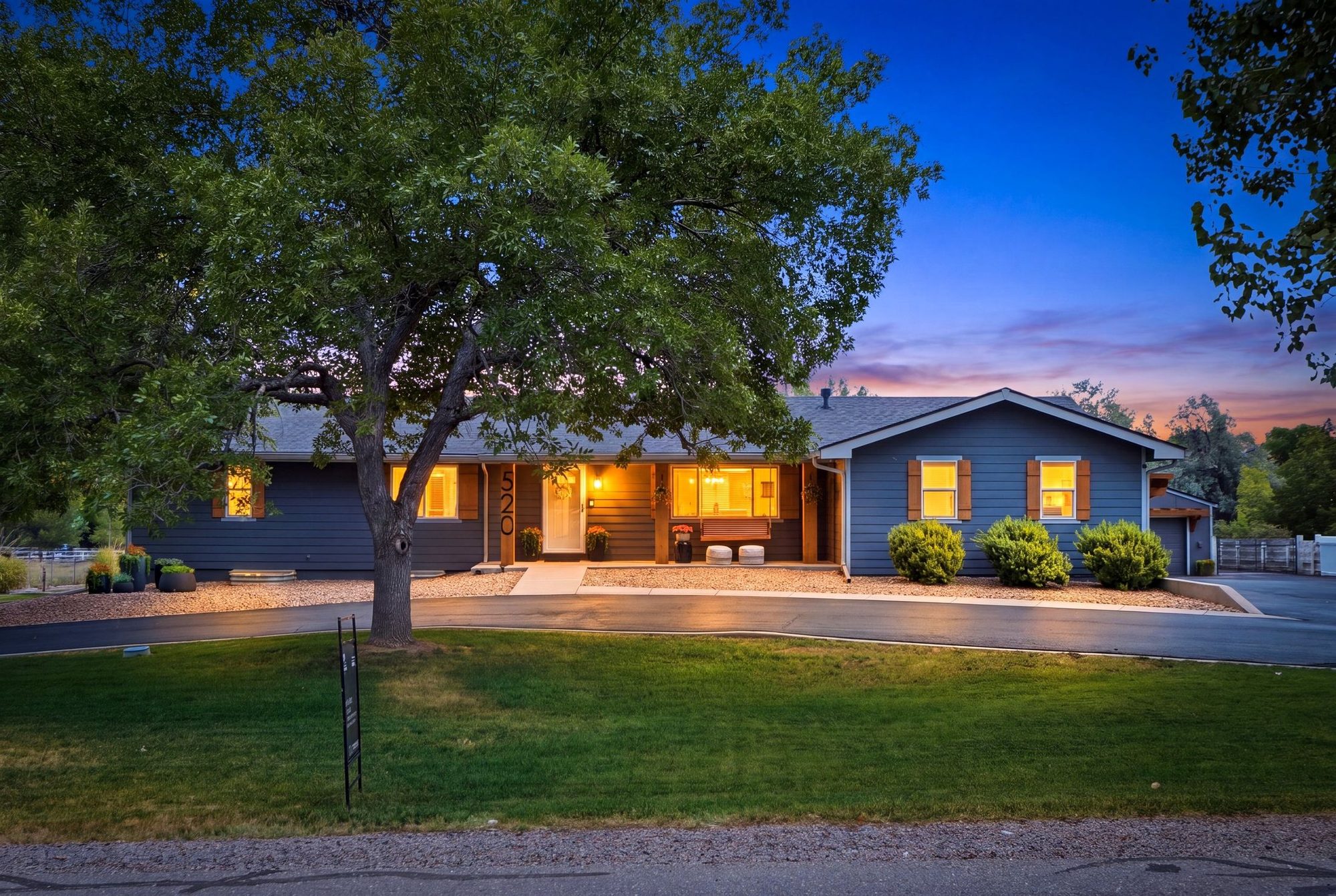
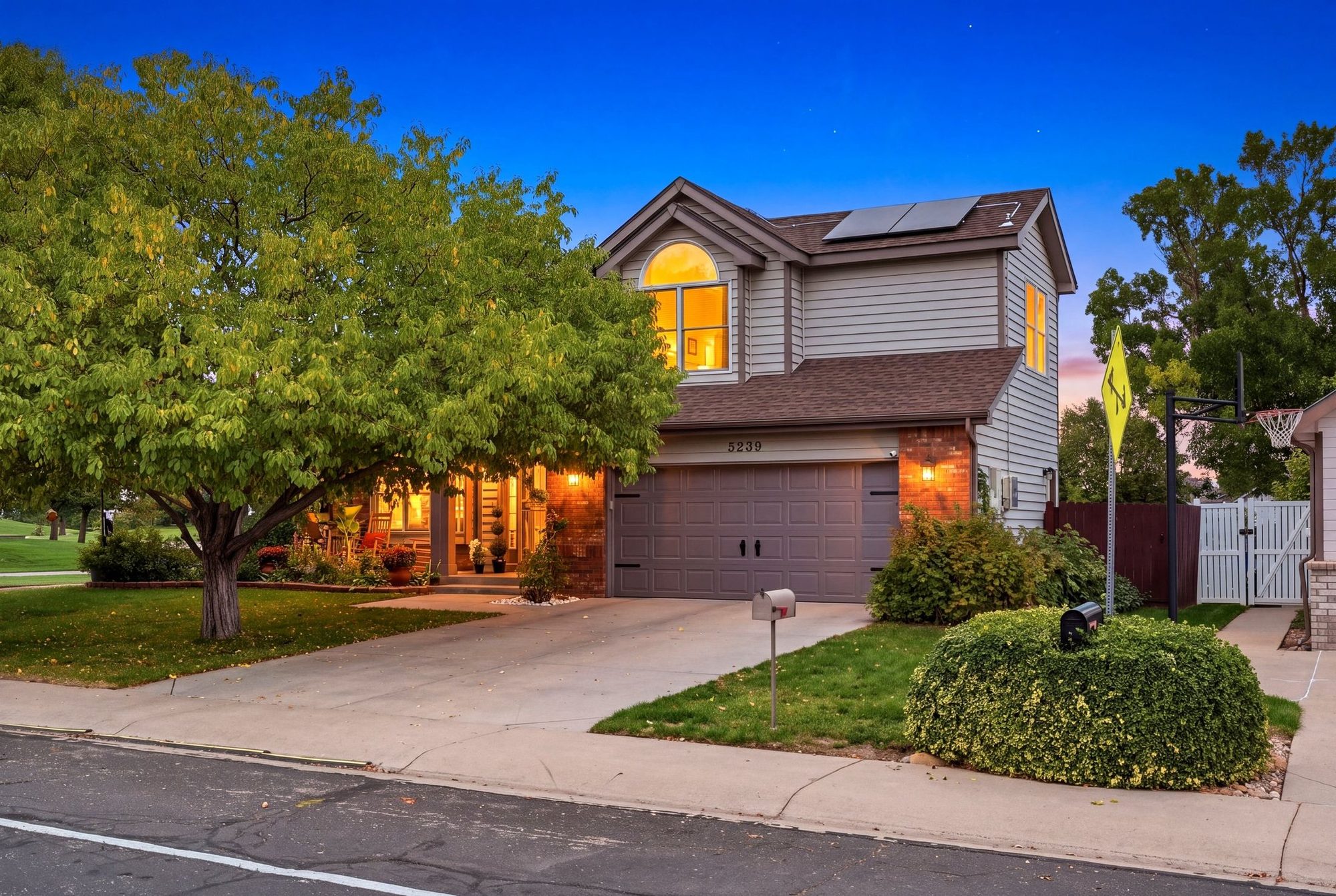
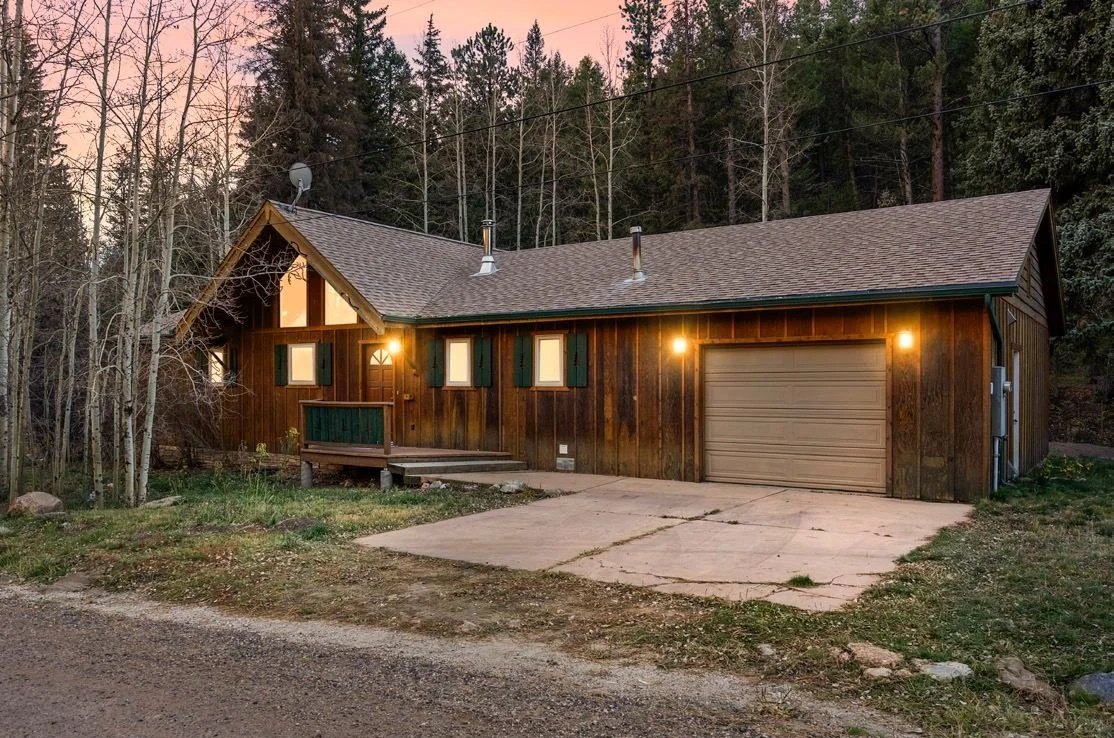
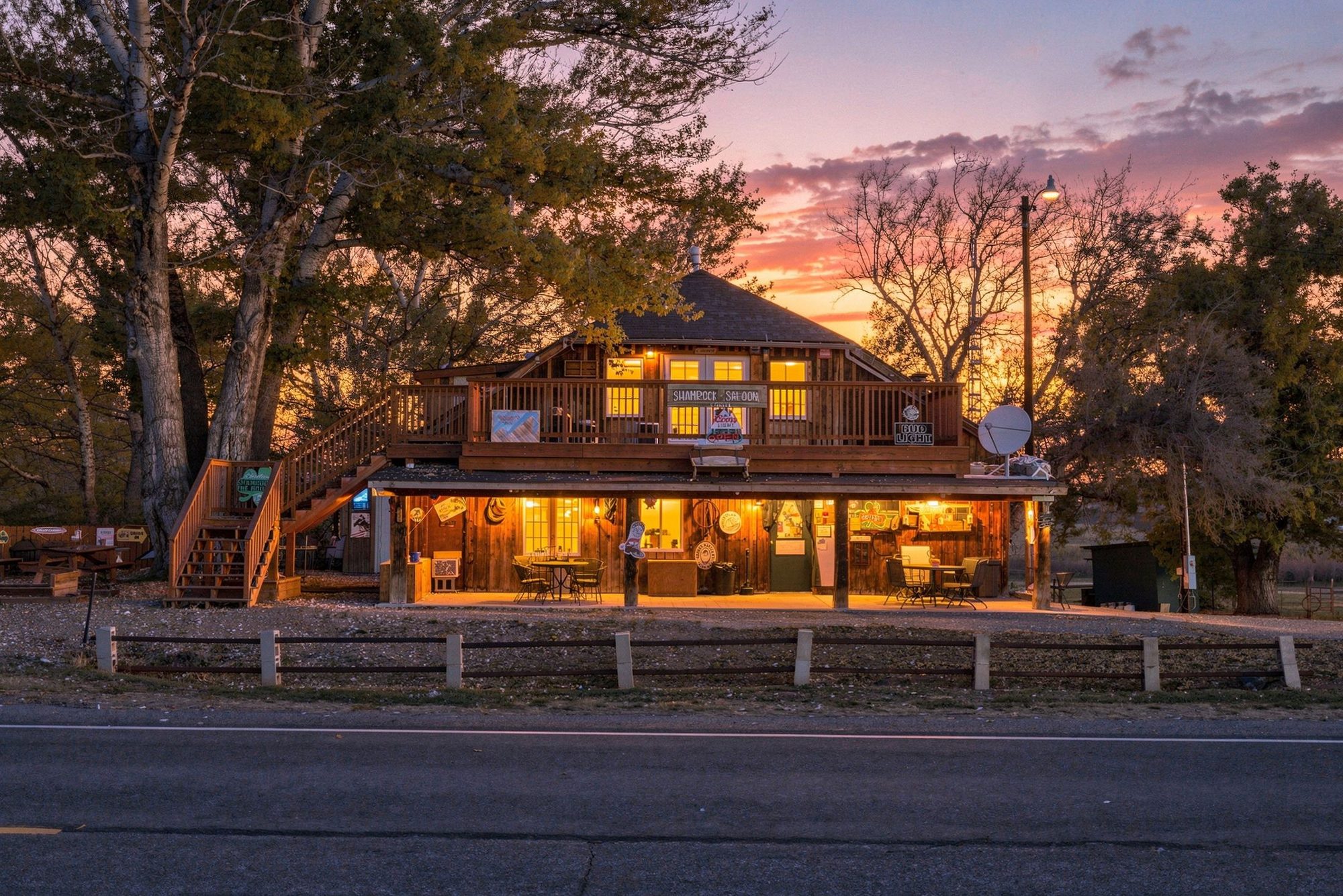
Loveland to Wheatland, $345,000 to $1,250,000. Tap any home for the photos, the details and how to see it.
Our advisors
One Advisor runs your move from start to finish, answers the phone and tells you the truth, with the rest of the team right behind you.
Our story