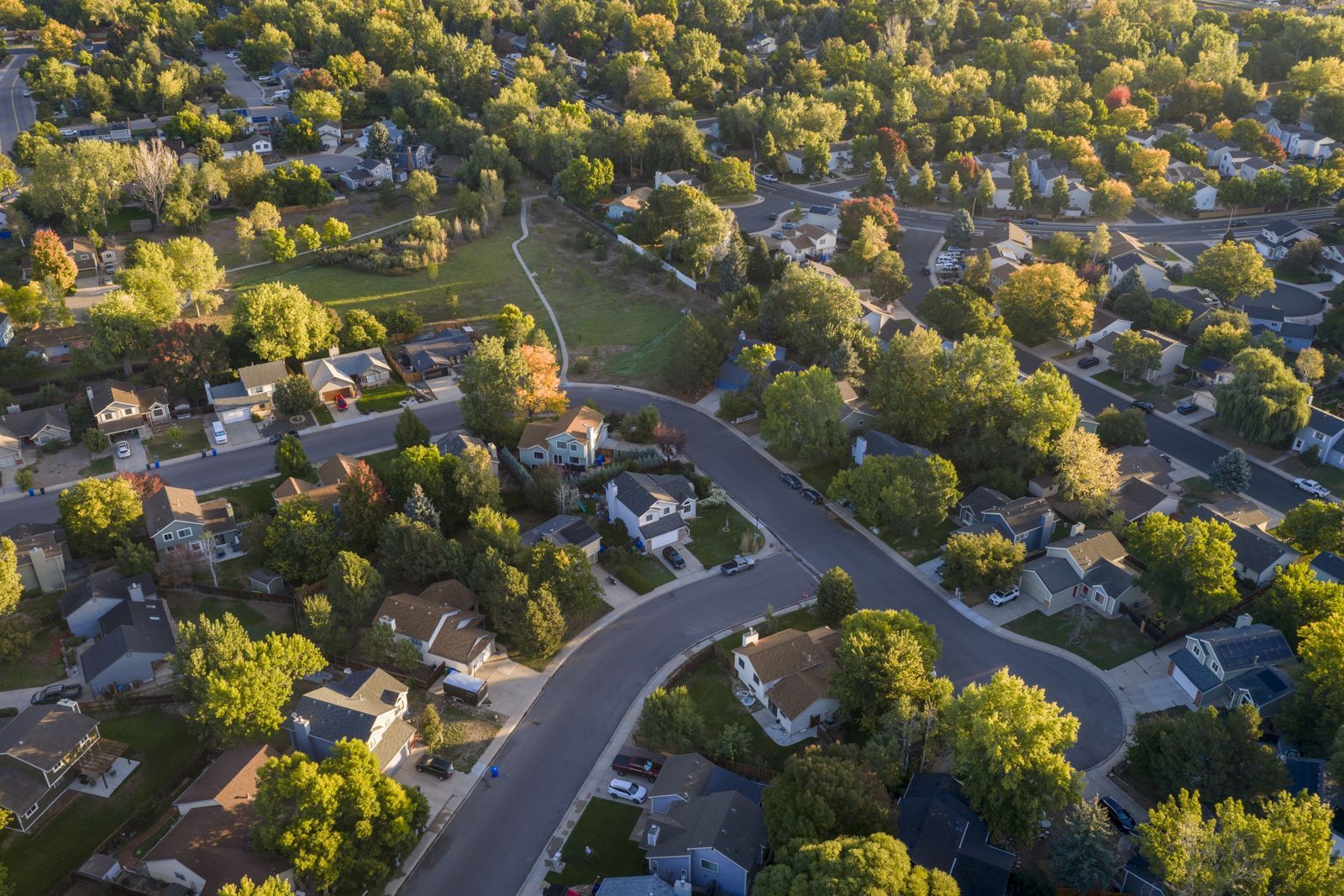
Cheyenne and Northern Colorado Housing Market: November 2026 Report
October 2026 numbers for Cheyenne, Laramie, Fort Collins, Loveland, Windsor and Greeley, side by side, with the source next to every figure.
Read the guide

By Cody Harvey · Updated November 25, 2026
Every seller asks some version of the same question. What should I fix, and what's money I'll never see again?
There's no list that fits every house. But there is an order to think in. First the things that don't work or could hurt someone. Then the things a buyer's inspector, appraiser or lender will flag anyway. Then, only if it still makes sense, the things that just look tired.
Wyoming and Colorado also handle disclosure and permits differently, and that changes the math. Here's how I'd walk through it with you on either side of the line.
Before paint, before staging, fix the things that stop a house from doing its job:
If your buyer uses a VA or FHA loan, the appraisal can come back "subject to" repairs, and those repairs have to be done before the loan closes. A big share of Cheyenne buyers use VA loans, so this matters here. Our VA loan in Cheyenne post covers the buyer side.
VA's Minimum Property Requirements, in Chapter 12 of the VA Lender's Handbook as VA posts it today (change date March 28, 2019), say a home has to be structurally sound and sanitary before VA guarantees the loan. Cosmetic items and minor wear generally aren't required repairs. Things VA's rules do call out:
FHA's Minimum Property Requirements live in HUD's Handbook 4000.1. HUD says lenders have to make sure "the necessary repairs are completed" when an appraisal or inspection finds deficiencies. In a May 29, 2026 request for information, HUD said FHA appraisals often call for repairs or reinspections at higher rates than loans sold to Fannie Mae and Freddie Mac, and that it's looking at modernizing the rules. So the FHA list may change. Ask the buyer's lender what their appraiser will look for.
Fixing obvious items before you list (peeling paint, a missing handrail, a dead furnace) keeps a VA or FHA offer from stalling at the appraisal.
Some money doesn't come back, and some of it can backfire.
When something is borderline, we'll price it both ways with you: fix it now, or leave it, price for it and let the buyer decide. We'll tell you the truth about your house and how buyers will see it. The choice is always yours.
I won't give you a percentage of cost you'll "get back" on a project. I didn't find a current, local, named source I'd stand behind, so I'd rather talk through your house with real local sales.
Colorado sellers fill out the Real Estate Commission's Seller's Property Disclosure (Residential), form SPD19, adopted August 5, 2025 and mandatory since January 1, 2026. A few things it says about itself:
That last item matters if you're thinking about a pre-listing inspection. More below.
I couldn't find a Wyoming law that requires a seller of a house to fill out a disclosure form like Colorado's. What Wyoming law does put in writing is the agent's duty. Under W.S. 33-28-303(c), a seller's agent "shall disclose to any prospective buyer all adverse material facts actually known," including facts about the physical condition of the property. So once you tell me the basement took water, I have to tell buyers. If you know about something, writing it down up front is the cleanest path.
For a home built before 1978, federal law requires you to disclose known lead based paint and hazards, hand over any reports, give buyers the EPA's lead pamphlet, include a Lead Warning Statement in the contract, and give buyers a 10 day window to test. Keep a signed copy for three years.
I'm not an attorney. For a question about what you have to disclose, talk with a real estate attorney in the state where the house sits.
A repair done with a permit is easier to sell than one without. Each city sets its own list, so check before the work starts.
It can help. You find out what a buyer's inspector will find, on your schedule, and you can fix it, price for it or get bids ahead of time.
Know the trade before you order one. In Colorado, the SPD asks for copies of written building, roofing, soils, sewer and engineering reports you have, so the report becomes part of what buyers see. In Wyoming, anything in the report I learn about becomes an adverse material fact I actually know. In both states, that's not a reason to skip it. It's a reason to read it with me before deciding what to fix.
The EPA's 2024 Home Buyer's and Seller's Guide to Radon says sellers should test before putting the home on the market and fix it if needed, and keep the results and records of any fix. It recommends fixing at 4 pCi/L or more.
Colorado's health department puts a typical mitigation system on an existing house at about $1,300 to $3,000. It says to get at least three bids and ask for a guarantee that levels drop below 4 pCi/L, plus at least a five year warranty on the fan and the work. Radon testing and mitigation in Colorado have to be done by a licensed professional.
The Wyoming Department of Health recommends a certified radon professional, through NRPP or NRSB, once a home tests above 4.0 pCi/L. Buyers will likely test anyway, so it's better to know your number first.
If you already have a system, make sure the fan runs before any test, as the EPA advises, and have the install paperwork ready. Our radon mitigation system post goes deeper.
Our free Seller Guide walks through the whole sale, from pricing to closing, and we have local posts on selling in Cheyenne and selling in Fort Collins. If you want a second set of eyes on what's worth fixing before you list in Cheyenne, Laramie, Fort Collins, Loveland, Greeley or anywhere in Northern Colorado, call or text 307-317-5372. We're licensed in Wyoming and Colorado.
What repairs should I make before selling my house?
Start with anything that leaks, doesn't heat, or is an electrical hazard, then items a VA or FHA appraisal would flag. Leave big taste driven remodels alone.
Do I have to fix things for a VA buyer?
If the VA appraisal is made "subject to" repairs, they have to be done before VA guarantees the loan. VA says cosmetic items and minor wear generally aren't required.
Does Wyoming require a seller disclosure form?
I couldn't find a law requiring one for a house. But a Wyoming seller's agent must disclose all adverse material facts actually known (W.S. 33-28-303).
Do I need a permit to replace my roof in Fort Collins or Cheyenne?
Generally yes in both. Fort Collins also requires Class 4 impact resistant shingles when 50% or more of an asphalt shingle roof is replaced.
How much does radon mitigation cost in Colorado?
Colorado's health department puts a typical system on an existing house at about $1,300 to $3,000, installed by a licensed professional.
Does a pre-listing inspection have to be disclosed in Colorado?
Colorado's SPD19 asks sellers for copies of written building, roofing, soils, sewer and engineering reports they have, so plan on sharing it.
Cody Harvey
The Harvey Home Team | Compass
Call or text 307-317-5372
Facts checked Nov 25, 2026.
Guides
October 2026 numbers for Cheyenne, Laramie, Fort Collins, Loveland, Windsor and Greeley, side by side, with the source next to every figure.
Read the guideEvery line on a Wyoming or Colorado closing statement, for buyers and sellers: recording fees by county, the documentary fee, title insurance, taxes, escrow and HOA fees.
Read the guideHow the inspection period works in Wyoming and Colorado, the add-on inspections that matter on the Front Range, and what to do once the report lands.
Read the guideDiscover
Loveland to Wheatland, $345,000 to $1,250,000. Tap any home for the photos, the details and how to see it.
Our advisors
One Advisor runs your move from start to finish, answers the phone and tells you the truth, with the rest of the team right behind you.
Our story