Cheyenne and Northern Colorado Housing Market: November 2026 Report
October 2026 numbers for Cheyenne, Laramie, Fort Collins, Loveland, Windsor and Greeley, side by side, with the source next to every figure.
Read the guide


By Cody Harvey · Updated November 25, 2026
The price on the contract isn't the number that matters at the end. For a buyer, it's cash to close. For a seller, it's what's left after the payoff and every line above it.
Most of those lines work the same in both states. A few don't. Colorado has a state documentary fee and Wyoming doesn't. Wyoming counts recording fees by the page and Colorado charges by the document. Property taxes run on different calendars.
Here's each piece, for buyers and sellers, from the federal, state and county sources as of November 2026. Neither state is cheaper across the board. It depends on the line.
If you're buying with a loan, your lender has to give you a Closing Disclosure three business days before your scheduled closing, per the Consumer Financial Protection Bureau. Hold it next to your most recent Loan Estimate and ask about anything that moved.
Page two is where the costs live. The CFPB describes the sections this way:
Cash to close is the actual amount you'll pay at closing. Your earnest money and any seller credits come off it.
Sellers get their own settlement statement from the title company. Ask for an estimate before you list, so the numbers aren't new to you at the table.
Your deed, and the buyer's mortgage, get recorded with the county. A seller's loan release gets recorded too.
Wyoming law (W.S. 18-3-402) sets the county clerk's charge at $12 for the first page and $3 for each page after, for any instrument.
By my math, a 3 page deed runs $18 and a 20 page mortgage runs $69 in either county, before any add-ons.
Colorado charges by the document, not the page.
So a deed and a deed of trust run $86 together. For a seller paying off a loan, both counties' Public Trustees list $73 to release a deed of trust, recording included. Larimer breaks that into a $30 Public Trustee fee and the $43 recording fee.
Wyoming has no real estate transfer tax, state or county. Neither the Laramie County nor the Albany County Clerk lists one on its fee schedule. Lawmakers have tried to create one. The most recent bill, HB0112 in 2024, failed introduction in the House 8 to 53. In May 2026, the Legislature's staff priced out a 2% transfer tax only as a hypothetical.
What Wyoming does require is a Statement of Consideration. Under W.S. 34-1-142, the buyer or the buyer's agent signs it under oath, the clerk can't record the deed without it, and it "is not a public record." That's why Wyoming sale prices aren't public.
Colorado has a small state documentary fee on documents that transfer title to real estate. The Larimer and Weld clerks list it at one cent for every $100 of the sale price when the price is over $500. On a $500,000 home, that's $50. Neither clerk's page says who pays it, so ask your title company which side of the statement it lands on.
The Colorado purchase contract also has a box for any local transfer tax. Ask the title company if the town you're buying in charges one.
There are usually two policies. The lender's policy protects the lender. The owner's policy protects you as owner.
The Colorado Division of Insurance says the buyer usually pays for the lender's policy, and the contract lets buyer and seller negotiate who picks and pays for the owner's policy.
The Division says title companies have to keep their current rates and fees on display, and that title insurance and closing fees together can range from $1,000 to $2,000 depending on the company and the property or loan value. It suggests getting more than one quote.
There's no state contract form in Wyoming, so who pays for each policy comes down to what your purchase contract says. The Wyoming Department of Insurance lists a Title Insurance Shopping Tool on its consumer page. Ask your title company for its rate sheet early, and ask us what's being proposed before you sign.
Buyer and seller split the year's property taxes at closing, and a buyer's lender usually collects an escrow deposit. The two states bill on very different calendars, which changes how that looks.
Wyoming bills the current year in the fall.
The homeowner exemption. Wyoming takes 25% off the fair market value of the home you live in, on the first $1 million, under SF0069 (2025). Starting with tax year 2026, you have to live there at least 8 months of the year. It isn't automatic. Laramie County's Assessor lists sign up from October 1, 2026 to March 1, 2027, online through the Department of Revenue or at the Assessor's office. Our Wyoming homeowner exemption post has the details.
Colorado bills a year behind. Weld County's Treasurer says property taxes become due January 1 for the previous year, payable in full by April 30 or in halves by the last day of February and June 15. Larimer County mails statements by the end of January.
So at closing, the closing year's bill hasn't gone out yet. The CBS1 contract prorates taxes to the closing date based on the prior year's taxes, the most recent mill levy and valuation, or another method you agree on. The seller's share usually shows up as a credit to the buyer. The Treasurer issues a Certificate of Taxes Due to the title company so both sides see where the taxes stand. Our Colorado property tax post explains how the bill is figured.
If the home is in an HOA, expect some association charges at closing. They can include a fee for the status or resale letter that shows what's owed, a fee to change the owner of record, and a working capital or reserve contribution. Amounts vary by association.
The CBS1 contract puts the status letter on the seller: request it at least 14 days before closing and pay the fee to issue it. The record change fee, reserves or working capital, other fees in the status letter, and private transfer fees each have a box for buyer, seller, split or not applicable. Look at what was checked. In newer neighborhoods, read up on metro districts too.
Who pays which association fee comes from your purchase contract and the association's own documents. Ask the HOA what it charges at a sale, and get it in writing before your deadlines pass.
Commissions are negotiable in both states. Colorado's listing contract prints it in capital letters: compensation charged by brokerage firms is not set by law and is fully negotiable. Wyoming law (W.S. 33-28-306) requires a written disclosure that says the compensation for different brokerage relationships is negotiable.
Other seller lines to expect:
If your last known address is outside Colorado when you sell Colorado property over $100,000, the Department of Revenue's DR 1083 says the title company or other withholding agent generally withholds the lesser of 2% of the price or your net proceeds. It's credited to your Colorado income tax account, and you claim it on your Colorado return. Exceptions you can affirm in writing include that the house is your principal residence. This one matters for Cheyenne owners selling a Colorado rental, so tell your title company early.
Wyoming has no individual income tax, so there's no state withholding line on a Wyoming sale.
We'll tell you the truth about every line on that statement. The choice is always yours. I'm not an attorney or a CPA, and this isn't legal or tax advice. For your contract or your taxes, check with a real estate attorney or a CPA.
Our Buyer Guide and Seller Guide walk through every step to closing day. If you want an estimate of your own costs on a specific house, or a seller's net before you list, call or text 307-317-5372 or reach us through our contact page. We're licensed in Wyoming and Colorado, so we can lay out either side of the line.
Does Wyoming have a real estate transfer tax?
No. Wyoming has no state or county transfer tax, and the most recent bill to create one failed in 2024.
What is the Colorado documentary fee?
One cent for every $100 of the sale price on sales over $500. On a $500,000 home, that's $50.
How much does it cost to record a deed in Wyoming vs Colorado?
In Laramie and Albany counties, $12 for the first page and $3 for each page after. In Larimer and Weld counties, a flat $43 per document.
Who pays for title insurance in Colorado?
The buyer usually pays for the lender's policy. In the state contract, whoever selects the title company pays for the owner's policy, and if no box is checked, that's the seller.
When do I get my Closing Disclosure?
Your lender has to give it to you three business days before your scheduled closing, per the CFPB.
Are real estate commissions negotiable?
Yes. Colorado's listing contract says compensation is not set by law and is fully negotiable, and Wyoming law requires a disclosure saying it's negotiable.
Cody Harvey
The Harvey Home Team | Compass
Call or text 307-317-5372
Facts checked Nov 25, 2026.
Guides
October 2026 numbers for Cheyenne, Laramie, Fort Collins, Loveland, Windsor and Greeley, side by side, with the source next to every figure.
Read the guideHow the inspection period works in Wyoming and Colorado, the add-on inspections that matter on the Front Range, and what to do once the report lands.
Read the guideWhat's worth fixing before you list in Wyoming or Northern Colorado, what to leave alone, and the disclosure, permit and lender rules that decide it.
Read the guideDiscover
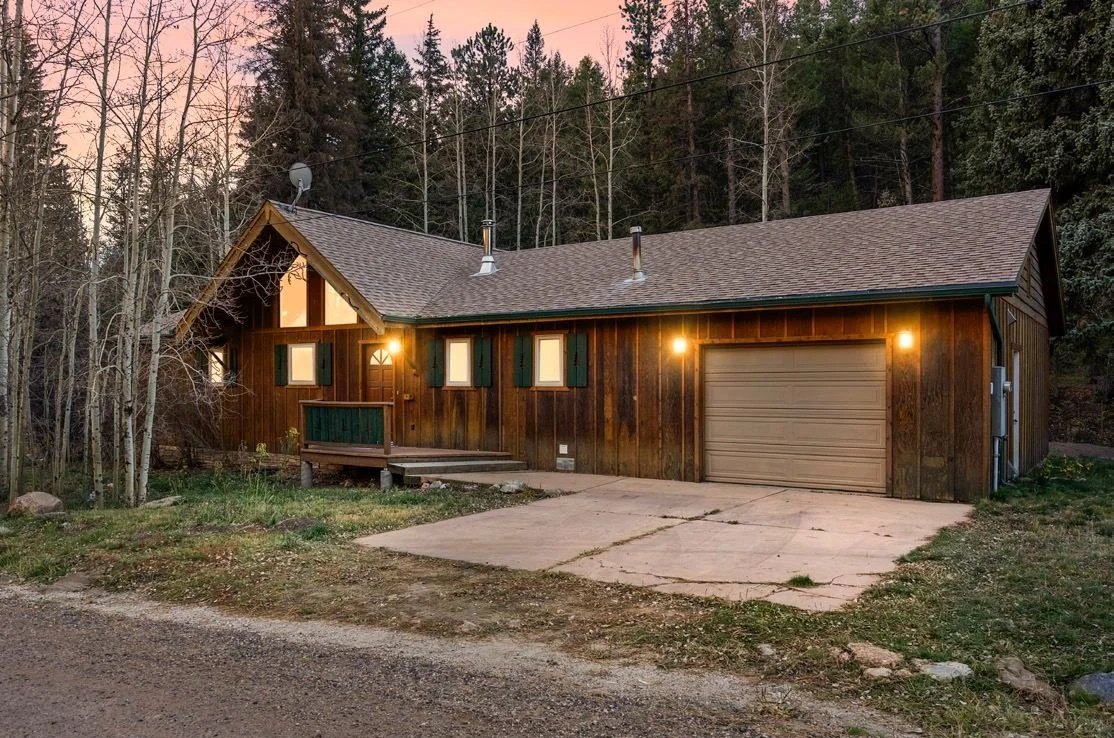
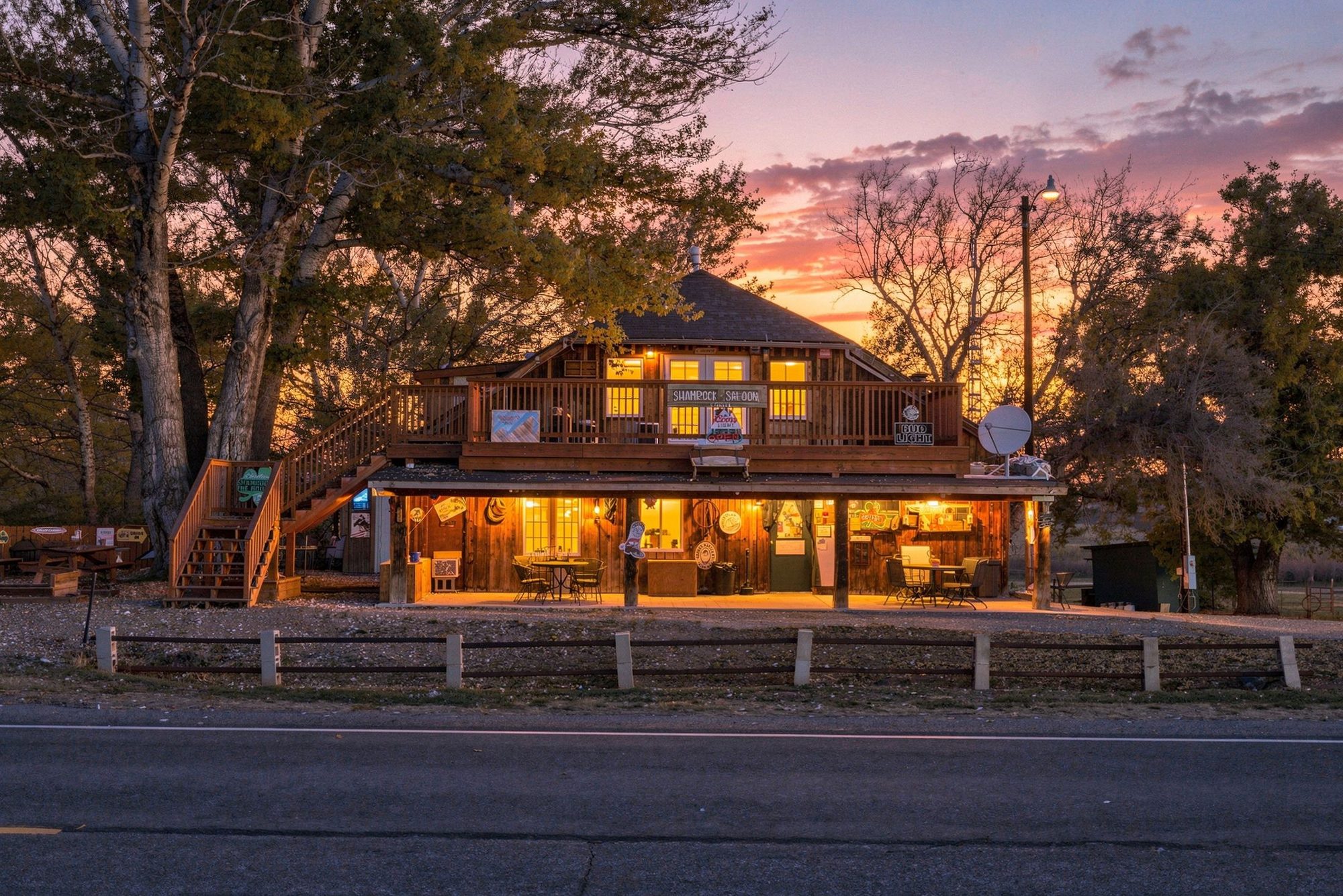
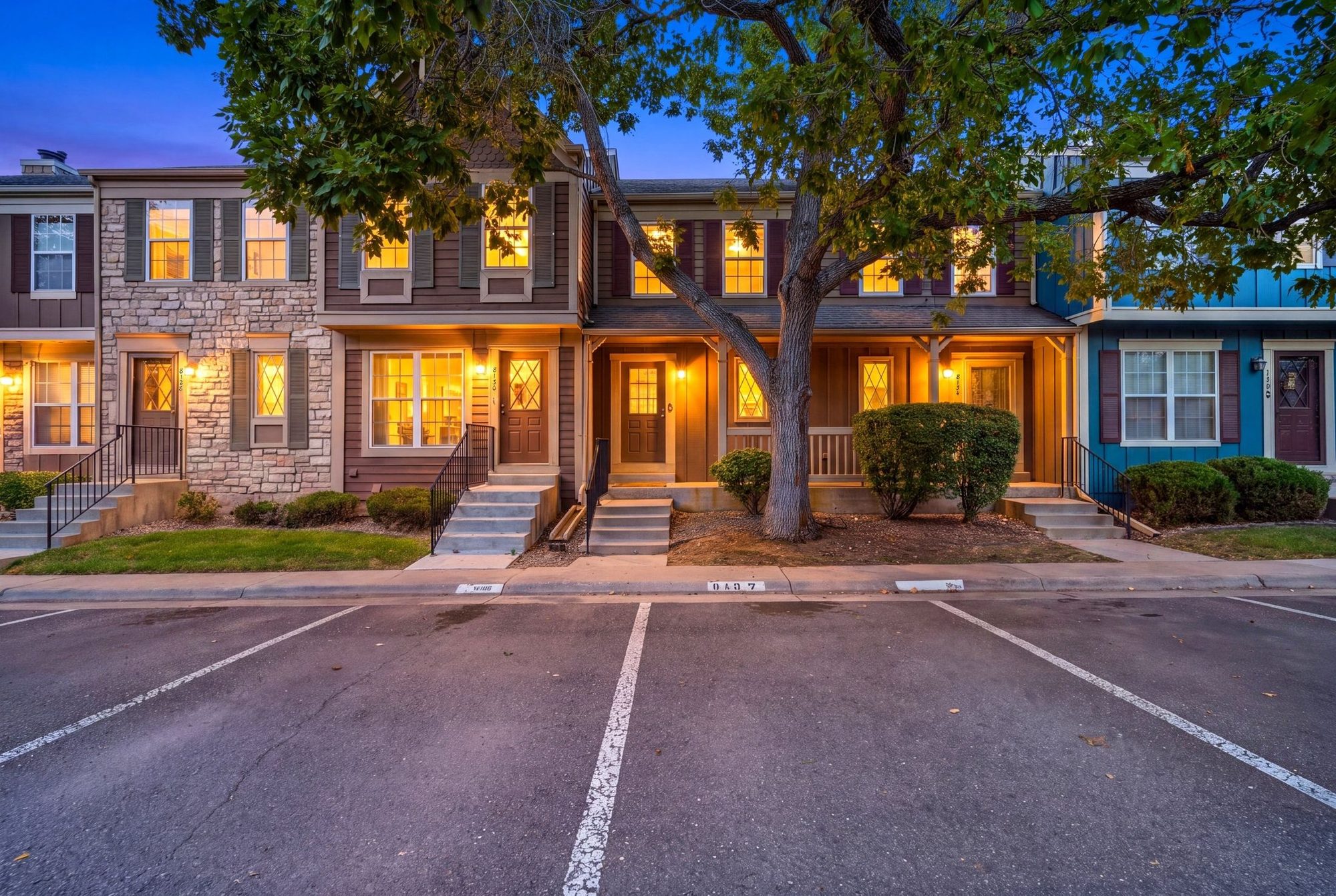
Loveland to Wheatland, $345,000 to $1,250,000. Tap any home for the photos, the details and how to see it.
Our advisors
One Advisor runs your move from start to finish, answers the phone and tells you the truth, with the rest of the team right behind you.
Our story