Cheyenne and Northern Colorado Housing Market: November 2026 Report
October 2026 numbers for Cheyenne, Laramie, Fort Collins, Loveland, Windsor and Greeley, side by side, with the source next to every figure.
Read the guide

By Cody Harvey · Updated November 25, 2026
You need the money from this house to buy the next one. You also need somewhere to live the day you hand over the keys. Those two facts pull against each other, and that's the whole problem.
There's no perfect order. Every way of doing it trades one risk for another: money, time, or how strong your offer looks to the next seller. The good news is you get to pick which risk you carry, and the paperwork in both states gives you tools for it.
Here's how it works on each side of the line, from official sources as of November 2026.
You list, sell and close, then buy with the cash in hand. You know your exact number before you shop, and your next offer doesn't hang on anything, which can make it easier for a seller to say yes. The cost is the gap: maybe two moves, plus short term rent or storage if the dates don't line up. A rent back (below) can shrink that gap.
You buy the next home, move once, then sell the old one empty. Your offer has no strings tied to your sale. The cost is carrying two house payments, and maybe a bridge loan or home equity line of credit for the down payment. If the old house sits longer than you planned, you keep paying for both.
You list and shop at the same time, then either make your purchase depend on your sale or line both closings up for the same day or close to it. You never own two homes and never go without one. The cost is tight timing. It's a chain: if your buyer's loan falls through, your purchase can wobble with it.
Which fits depends on your equity, your loan and how fast homes like yours are selling. We'll tell you the truth about the numbers for your situation. The choice is always yours.
Colorado brokers have to use the Real Estate Commission's approved forms, and the state's residential contract (the version mandatory since January 1, 2026) has this built in. Section 10.7, "Conditional Upon Sale of Property," says the contract is conditional on the sale and closing of a property you own. You name the property, and the Dates and Deadlines table has a line for the Conditional Sale Deadline.
If your home isn't sold and closed by that deadline, you can end the contract, as long as the seller receives your written notice on or before it. Miss that and you give up the right. The contract calls it "for the sole benefit of Buyer."
One detail catches people. Section 5.2.2 says you can't end the contract under New Loan Availability because your own house didn't sell. That's what 10.7 is for. So if your purchase really does hinge on your sale, Section 10.7 needs to be filled in and the deadline needs to make sense against your sale's closing date.
Wyoming has no single state contract. The Wyoming Real Estate Commission's rules (Chapter 3) say the broker prepares the offer, and it has to include a "complete and accurate description of all contractual conditions." A sale contingency is one of those conditions, written into the broker's form or an addendum.
The wording varies by brokerage, so read it closely. It should name your property, give a date your sale has to close by, say how you give notice if it doesn't, and say what happens to your earnest money. Under the same rule, any change later has to go on a written amend or extend agreement signed by everyone.
In either state, expect a seller to look hard at a contingency like this.
A rent back lets you close your sale, then stay in the house for a set time. Your sale money funds your purchase while you still have a place to sleep.
The Commission has its own form: the Post-Closing Occupancy Agreement (PCO70), adopted August 5, 2025 and mandatory from January 1, 2026. The main contract's Section 17 says that if the parties sign one, it controls the Possession Date and Time. What the form itself says:
I couldn't find a Wyoming Commission form for a rent back. The Chapter 3 rule does require every offer to state the possession date, so a rent back goes in the offer or an addendum. Spell out the length, rent, deposit, insurance, and what happens if the seller doesn't leave on time.
In both states, have a real estate attorney look at a rent back before you sign. If you're the buyer letting a seller stay, ask your lender how it fits your loan before you agree to it.
Talk to a lender before you list and before you shop. A few things to know going in.
Your lender may count both payments. Fannie Mae's Selling Guide (section B3-6-06, dated September 2, 2026) says that when your current home is under contract but won't close before your new loan, the lender has to qualify you with both full payments. The exception: the lender has your signed sales contract and confirmation that your buyer's financing contingencies are cleared. Other loan types have their own rules, so ask.
Bridge loans. The Consumer Financial Protection Bureau's mortgage rules describe a bridge loan as a temporary loan "with a term of 12 months or less, such as a loan to finance the purchase of a new dwelling where the consumer plans to sell a current dwelling within 12 months." Ask about the rate, the fees, and what happens if your house hasn't sold when the term ends.
Home equity lines of credit. The CFPB describes a HELOC as an open end line of credit that uses your home as collateral. From its consumer pages:
Two closings, two sets of costs. In Larimer County, Colorado, recording a deed or deed of trust is $43 per document (since July 1, 2025), and a deed carries a documentary fee of one cent per $100 of the price over $500. In Laramie County, Wyoming, the Clerk charges $12 for the first page and $3 for each page after.
I'm not a lender. A good loan officer will run your real numbers on each option.
A few things change when your move crosses the line.
For income taxes in the year you move, talk with a CPA. Our Wyoming vs Colorado taxes post lays out both sides evenly.
Here's the order we'd follow with you.
A simple timeline:
I'm not an attorney, and this isn't legal advice. If anything in either contract doesn't make sense, have a real estate attorney in that state read it before you sign.
Our free Seller Guide and Buyer Guide walk through each side of the move. When you're ready to map out your own order and dates, reach out here or call or text 307-317-5372. We're licensed in Wyoming and Colorado, so we can handle both ends, even when they're in different states.
Can you buy and sell a house at the same time?
Yes. You can sell first, buy first, or do both at once with a sale contingency or a rent back. Each one trades a different risk, so talk to a lender before you choose.
What is a home sale contingency in Colorado?
Section 10.7 of the Commission's residential contract makes the purchase conditional on the sale and closing of the buyer's home. If it isn't sold and closed by the Conditional Sale Deadline, the buyer can end the contract with timely written notice.
How long can a seller rent back after closing in Colorado?
The Commission's Post-Closing Occupancy Agreement (PCO70) is for terms of 60 days or less. Anything longer calls for a residential lease.
Is there a state rent back form in Wyoming?
I couldn't find one. Wyoming's Commission rules require the offer to state the possession date, so rent back terms get written into the offer or an addendum.
Will my lender count both mortgage payments?
Often, yes. Fannie Mae's guide says both payments count when your current home won't close before the new loan, unless the lender has your signed sales contract and confirmation that your buyer's financing contingencies are cleared.
Do I have to pay off my HELOC when I sell?
The CFPB says that if you sell your home, you're generally required to pay off a HELOC in full immediately.
Cody Harvey
The Harvey Home Team | Compass
Call or text 307-317-5372
Facts checked Nov 25, 2026.
Guides
October 2026 numbers for Cheyenne, Laramie, Fort Collins, Loveland, Windsor and Greeley, side by side, with the source next to every figure.
Read the guideEvery line on a Wyoming or Colorado closing statement, for buyers and sellers: recording fees by county, the documentary fee, title insurance, taxes, escrow and HOA fees.
Read the guideHow the inspection period works in Wyoming and Colorado, the add-on inspections that matter on the Front Range, and what to do once the report lands.
Read the guideDiscover
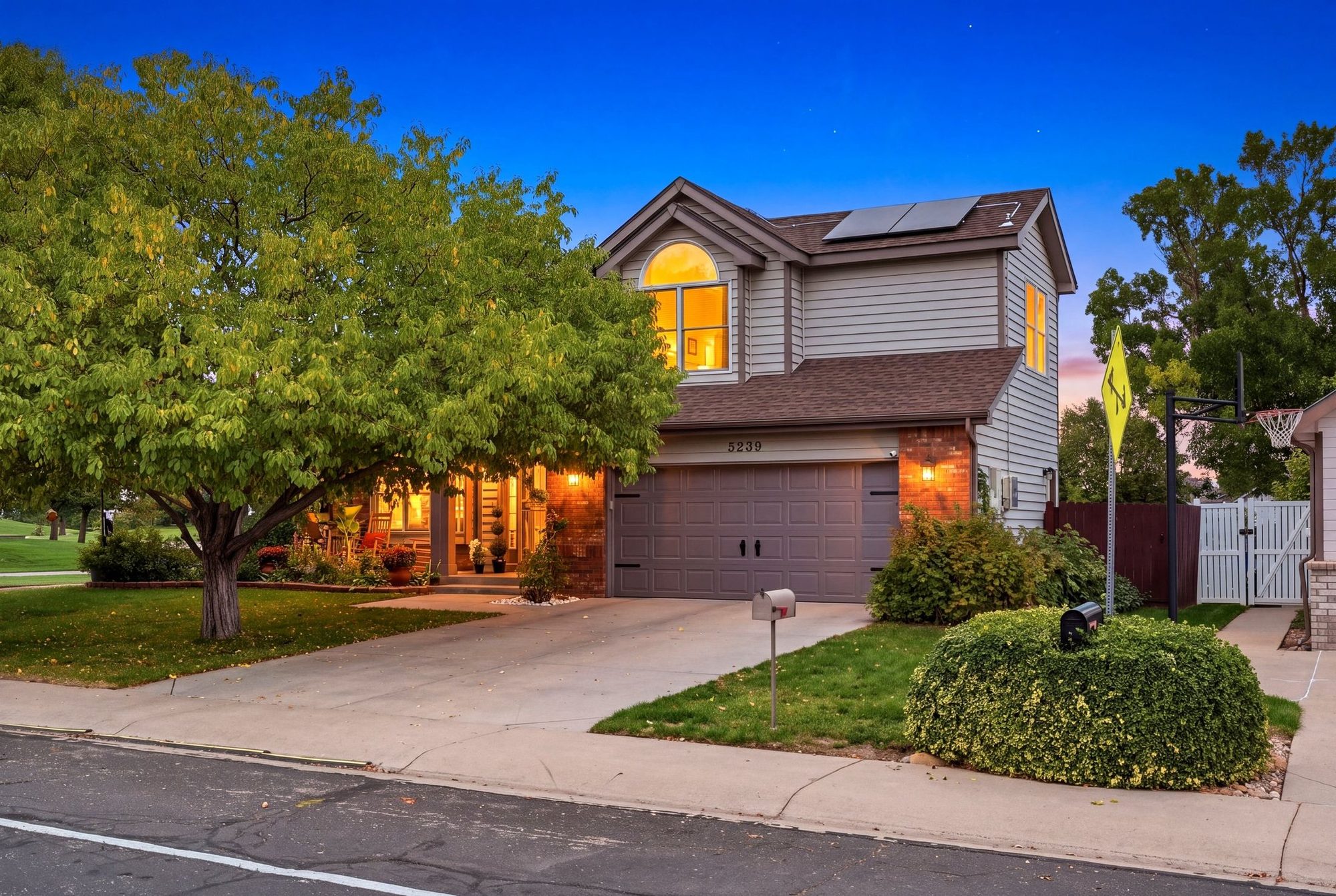
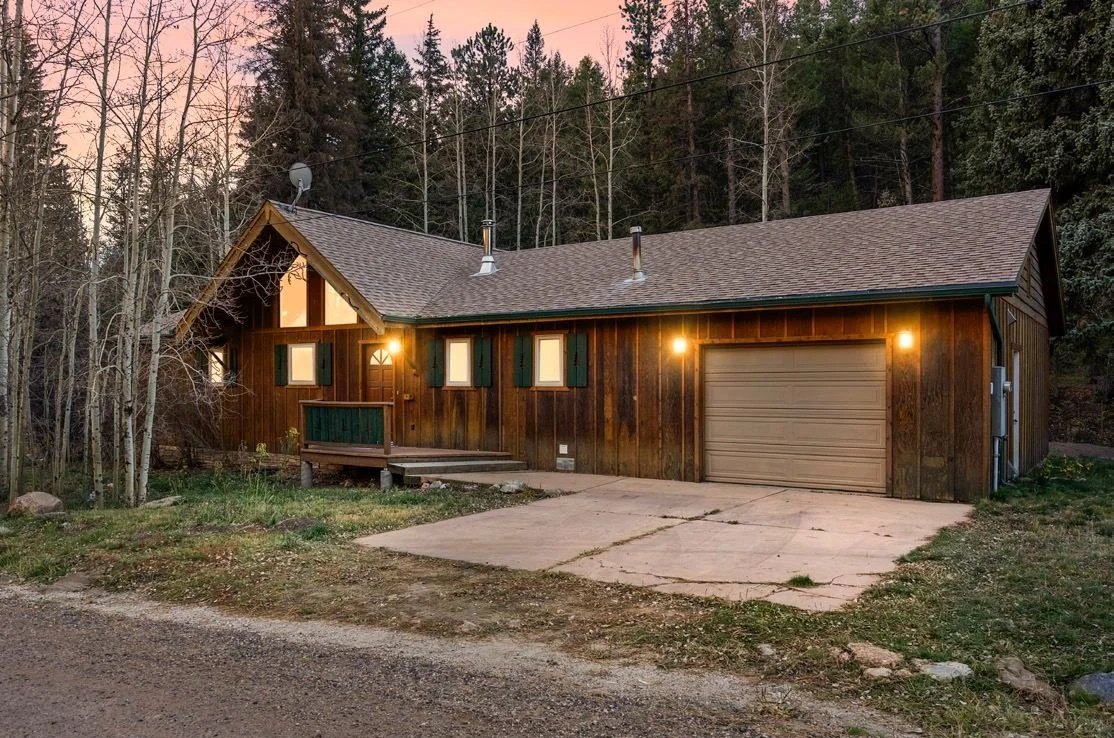
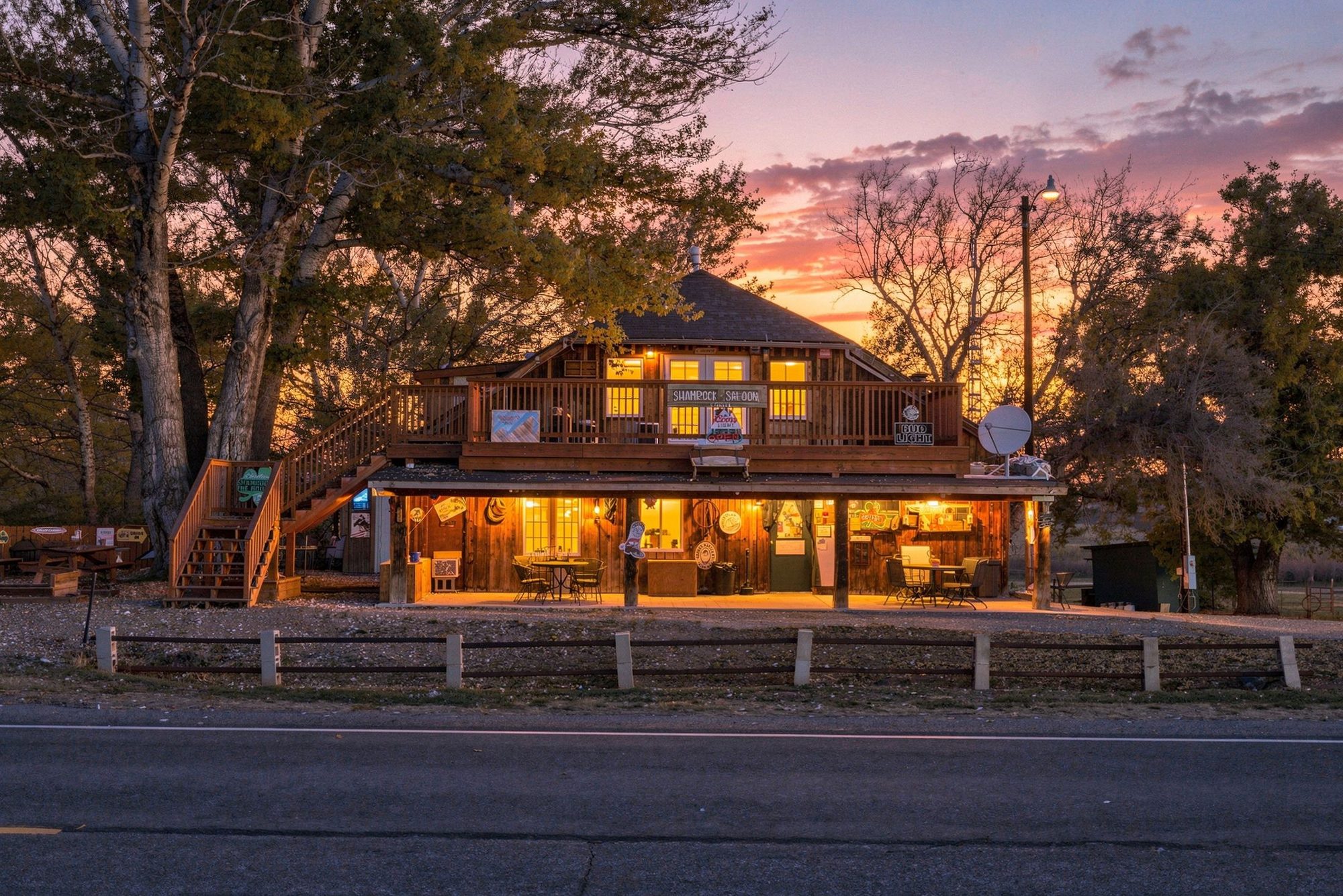
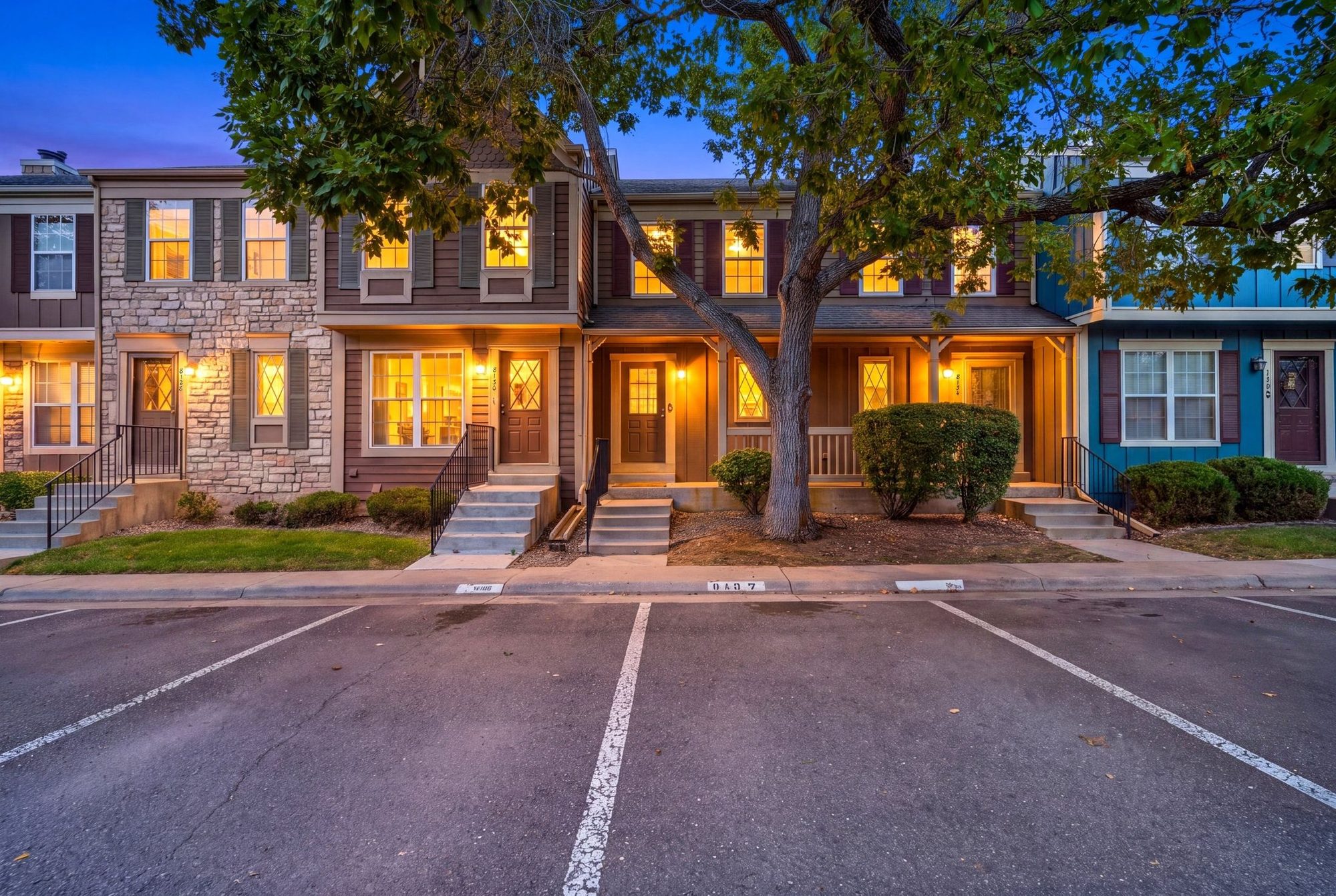
Loveland to Wheatland, $345,000 to $1,250,000. Tap any home for the photos, the details and how to see it.
Our advisors
One Advisor runs your move from start to finish, answers the phone and tells you the truth, with the rest of the team right behind you.
Our story