Cheyenne and Northern Colorado Housing Market: November 2026 Report
October 2026 numbers for Cheyenne, Laramie, Fort Collins, Loveland, Windsor and Greeley, side by side, with the source next to every figure.
Read the guide

By Cody Harvey · Updated November 25, 2026
Land is the one purchase where what you can't see matters more than what you can. The water under it. The minerals under that. The road in, and who plows it.
Wyoming and Colorado share a border and some of the same rivers. They don't share the rules. A septic inspection required at sale in Larimer County isn't required in Weld, and a well's allowed uses depend on which side of the line it's on.
Here's how it works in both states, who to call, and a checklist to carry to every piece of land you look at.
A Cheyenne or Fort Collins mailing address doesn't tell you much. Out on acreage, the county usually handles zoning and building permits, and the state handles water and minerals.
Laramie County Planning and Development handles building permits and inspections in unincorporated Laramie County, under Land Use Regulations adopted in 2025. Its site has a zone district map and a parcel viewer.
If you're picturing a shop or barn, read the county's accessory building brochure. It says buildings over 200 square feet need permits and inspections, new agricultural buildings built after January 1, 2016 need an exemption permit, buildings over 2,400 square feet have to be engineered, and nothing can sit in a recorded easement.
Larimer County Planning will do a Property Status Information request for unincorporated property: a legal lot determination, a zoning verification letter or a nonconforming determination. The county says a building permit can't be issued on a lot that wasn't legally created. As of November 2026 it's $137.61 per request and can take up to 10 weeks, so start early or ask the seller if one has been done.
In Weld County, Planning can confirm a property's zone district, and the county's zoning map searches by parcel or address. Weld's planning page says the minimum lot size of unplatted land in its Agricultural zone is 35 acres. If you're thinking of splitting land, ask before you buy.
This is the biggest difference between the two states. For the long version, see our post on Wyoming vs Colorado water rights.
Wells are permitted by the Wyoming State Engineer's Office (SEO). From its pages, as of November 2026:
Around Cheyenne, the SEO also runs the Laramie County Control Area, set up in 1981. Its 2015 order added spacing, metering and adjudication requirements for irrigation, municipal, industrial and miscellaneous wells. If you plan to irrigate, call the SEO first.
Wells are permitted by the Division of Water Resources (DWR). DWR says each well's permit file holds its allowable uses, and you can pull it up on DWR's free Well Permit Search Tool.
Larimer County's Code of the West warns that state permits "may restrict water to use to that which is used inside of a home." Colorado State University Extension's well fact sheet (revised 2013) explains the usual pattern: an exempt well on 35 acres or more can usually serve up to three homes, one acre of lawn and garden, and livestock, while many wells on smaller parcels are household use only, with no outdoor watering. Your well's own permit is what counts.
Colorado also treats water as separate property. The state contract (CBS1) lists water rights, well rights and water stock in their own sections and warns that the surface may not carry the water. Ditch shares only come with the land if your contract names them, and Colorado Big Thompson units need Northern Water's Board to approve the transfer. The contract's Water Rights Examination Deadline is your way out.
In Laramie County, Environmental Health at Cheyenne-Laramie County Public Health permits septic systems. Every small wastewater system has to be permitted before it's installed, repaired or modified.
The county doesn't list an inspection required at sale. But it says its well and septic evaluation is "required by FHA, VA, and many conventional loan agencies." It checks the well, septic capacity against the size of the house and the last pumping, and tests the water for bacteria, nitrates, sulfates and dissolved solids. You'll need a pumping receipt less than three years old to apply.
Larimer County's Transfer of Title rule says a certified third party inspector has to inspect the septic system, with the report to the county before closing. Some transfers are exempt, like a system with final approval less than three years old. If a system fails, the buyer can sign an Agreement to Repair and finish repairs within 180 days after closing. Septic documents are now on the county's property records page, though not every property has a permit.
Weld County is different. Its own FAQ says, "Weld County does not have a Transfer of Title Inspection or Use Permit program." It still recommends an inspection and pumping before closing, and the county can tell you whether a permit is on file. We'd get one either way.
Owning the surface doesn't mean you own what's under it. When someone else owns the minerals, it's called a split estate.
The Bureau of Land Management says the Stock Raising Homestead Act of 1916 kept the minerals under land it granted, and today they belong to the United States. The BLM office can check the master title plat and original patent. Past owners can also reserve minerals in a deed, so read the chain of deeds at the Laramie County Clerk, free on the office computers or by subscription online.
To see wells, use the Wyoming Oil and Gas Conservation Commission's Data Explorer and its Surface and Mineral Owners resources. Laramie County's map shows oil and gas permit locations, updated weekly.
The state contract says it in capital letters: "THE SURFACE ESTATE OF THE PROPERTY MAY BE OWNED SEPARATELY FROM THE UNDERLYING MINERAL ESTATE." It gives you a Mineral Rights Examination Deadline to terminate if your review isn't satisfactory.
The Colorado Oil and Gas Conservation Commission (COGCC) became the Energy and Carbon Management Commission (ECMC) on July 1, 2023. Its Interactive Map shows oil and gas facilities and sites pending approval. For recorded leases and reservations, Larimer County's online index goes back to 1971, and Weld's is free to search.
In both states, a title commitment lists recorded mineral exceptions. I'm not an attorney. For mineral title, hire one licensed in the state you're buying in.
Laramie County's "Realities of Rural Living" handout is blunt. "Most rural subdivisions are served by private and public roads which are not maintained by the county," with no grading or plowing. If your road is unpaved, it's "highly unlikely" the county will pave it. And "Laramie County does not enforce covenants." Wyoming also has an open range law, so if you don't want a neighbor's cattle on your land, fencing them out is on you.
Larimer County stopped accepting new subdivision roads for maintenance in 1994, and where it doesn't maintain them, residents or the HOA do. Its Road and Bridge page lists the streets it does maintain, subdivision by subdivision. Weld County Public Works manages over 2,900 miles of roads, so ask Public Works about a specific road. The Colorado contract has its own section for a common interest community, with deadlines for the association documents.
Fences aren't always on the line. Colorado's contract lets you order a new Improvement Location Certificate or a new survey, with its own deadlines. Wyoming has no state contract, so write the survey into your offer, and the Laramie County Clerk links free surveyor corner records. A licensed land surveyor and your title company can show you easements and legal access.
Laramie County says it "can be very expensive to extend power lines to remote areas." Larimer County says electric service "is not available to every area." Get the provider's answer in writing before you count on building.
Out past gas lines, most homes heat with propane. Neither state has a rule we could point you to on tanks, so ask: is the tank owned or leased, how much fuel is in it at closing, and what did last winter cost?
For internet, search the address on the FCC National Broadband Map. It lists the providers that report serving that location, their technology and advertised speeds. Mobile coverage on the map is outdoor only, so check indoors yourself.
Agricultural classification. In Wyoming, the Laramie County Assessor says ag land must be used for agriculture as of the assessment date, generally can't be in a platted subdivision (unless the parcel is 35 acres or more), and the owner needs at least $500 a year in gross ag revenue, or a lessee $1,000. In Colorado, the Larimer County Assessor says the land must have been used as a farm or ranch the previous two years and now, for profit. Don't assume a classification carries over to you. I'm not a CPA, so ask the assessor and a tax pro. Check for Colorado metro districts too.
Flood. FEMA's Flood Map Service Center is the official source and searches by address. Laramie County posts its Flood Insurance Rate Maps online. Larimer County's new maps for parts of the Big Thompson and Cache la Poudre basins take effect November 27, 2026 in unincorporated Larimer County.
Fire. Larimer County posts wildfire hazard and fire protection district maps. Insurance in the foothills is its own question, so read our post on wildfire insurance in Larimer County and call an agent before your inspection deadline.
A loan on bare land and a mortgage on a house with acreage aren't the same product, and some lenders don't do land at all. Talk to a lender who does rural loans before you write an offer. If you're using FHA or VA, plan on the well and septic evaluation.
We'll tell you the truth about every piece of land, the good and the work. The choice is always yours.
Our free Buyer Guide walks through every step of buying, including deadlines and inspections. When you want to walk some land, reach out here or call or text 307-317-5372. We're licensed in Wyoming and Colorado, so we can help on either side of the line.
Do water rights come with land in Wyoming?
Generally yes. The State Engineer's Office says water rights transfer with the sale of the property they're attached to, and you prove ownership with your deed.
Can water rights be sold separately from land in Colorado?
Yes. Colorado's contract lists water rights, well rights and water stock separately and warns the surface may not include them, so get every right named in writing.
Does Larimer County require a septic inspection when you sell?
Yes, under its Transfer of Title rule, unless the transfer is exempt. Weld County says it has no transfer inspection program but recommends one.
How do I find oil and gas wells near land I'm buying?
In Colorado, use the ECMC Interactive Map. In Wyoming, use the WOGCC Data Explorer and Laramie County's permit map.
Do I need a permit to drill a well near Cheyenne?
Yes. The Wyoming State Engineer's Office has to approve a permit first, and as of November 2026 a domestic or stock application is $50.
Does the county plow rural roads around Cheyenne and Fort Collins?
Often not. Laramie County says most rural subdivision roads aren't county maintained, and Larimer County stopped taking on new subdivision roads in 1994.
Cody Harvey
The Harvey Home Team | Compass
Call or text 307-317-5372
Facts checked Nov 25, 2026.
Guides
October 2026 numbers for Cheyenne, Laramie, Fort Collins, Loveland, Windsor and Greeley, side by side, with the source next to every figure.
Read the guideEvery line on a Wyoming or Colorado closing statement, for buyers and sellers: recording fees by county, the documentary fee, title insurance, taxes, escrow and HOA fees.
Read the guideHow the inspection period works in Wyoming and Colorado, the add-on inspections that matter on the Front Range, and what to do once the report lands.
Read the guideDiscover
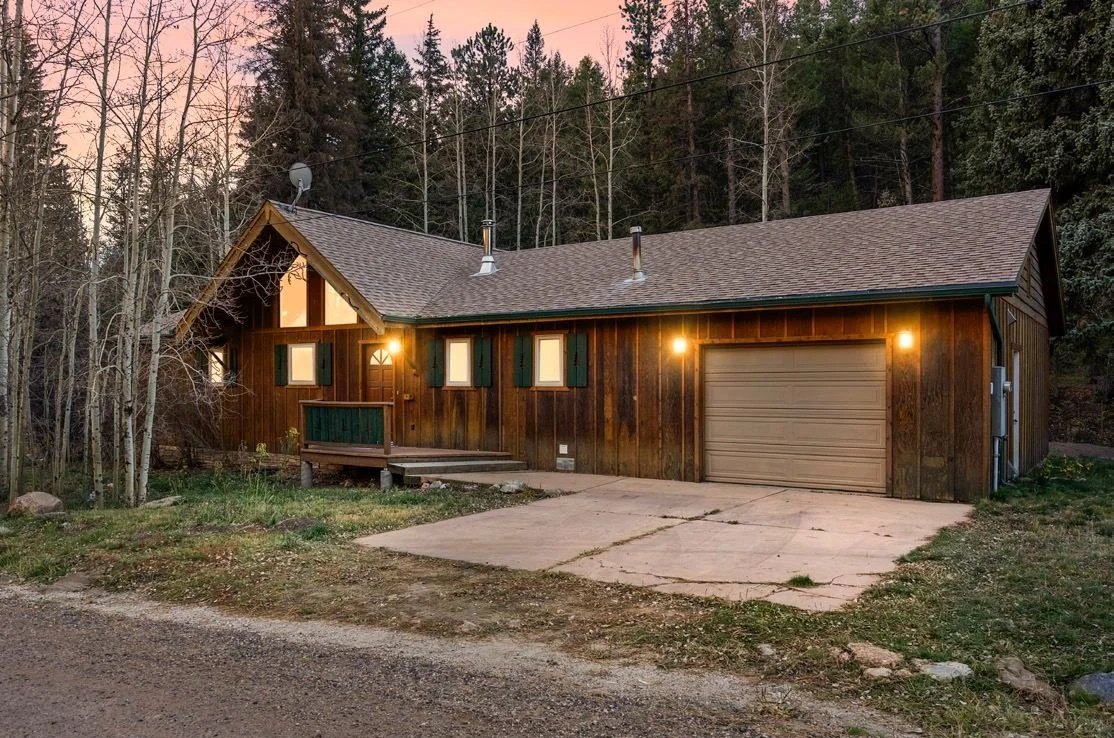
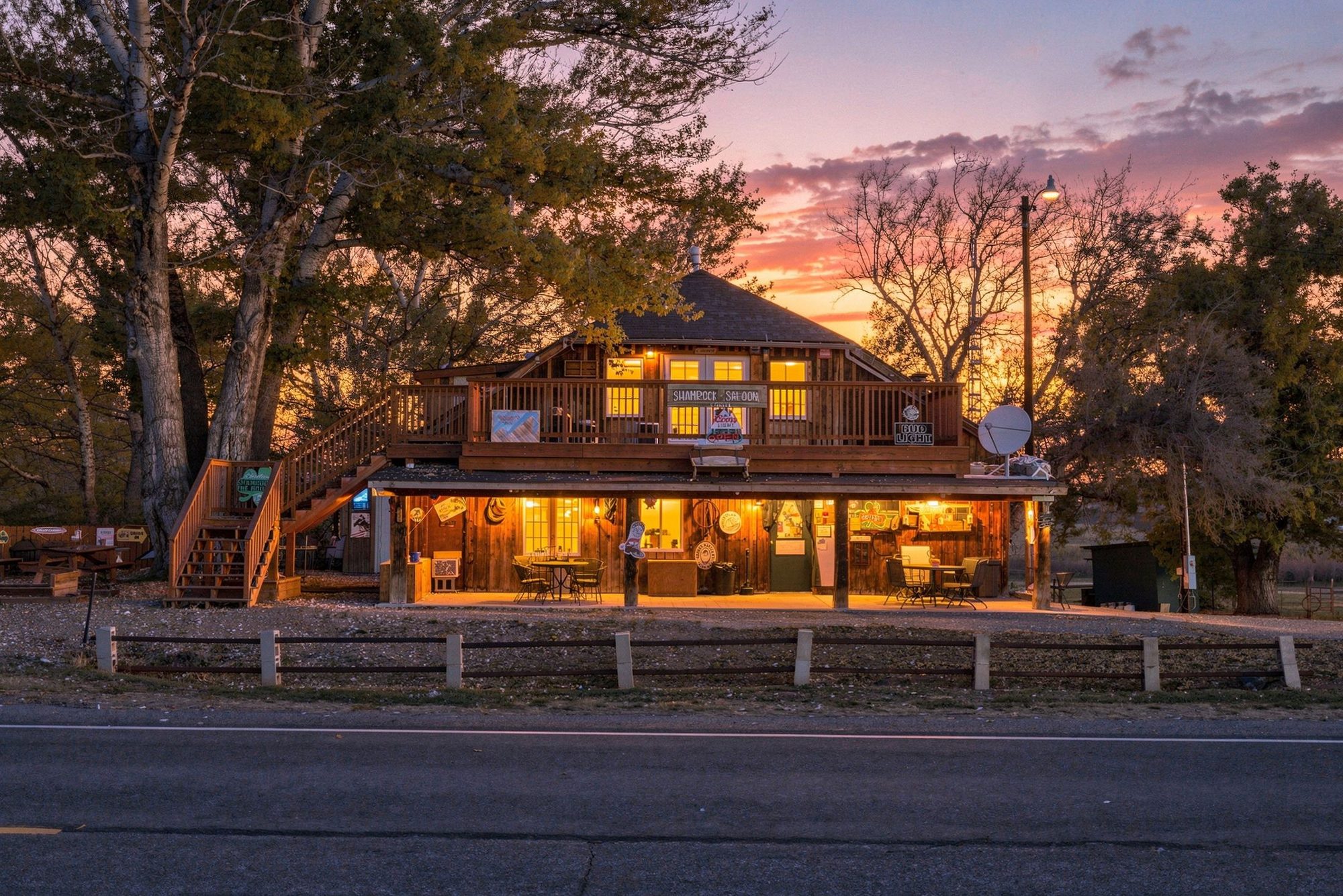
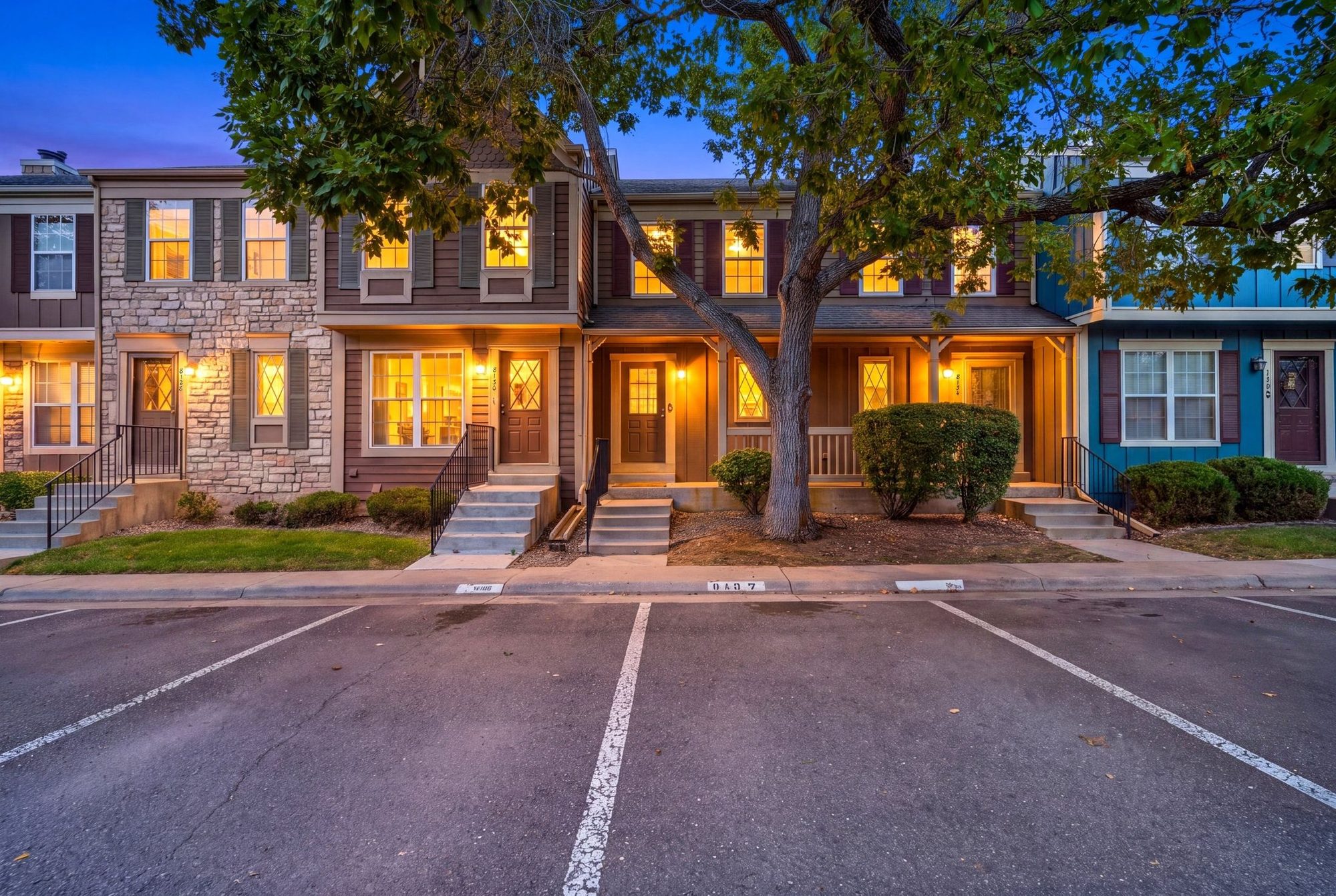
Loveland to Wheatland, $345,000 to $1,250,000. Tap any home for the photos, the details and how to see it.
Our advisors
One Advisor runs your move from start to finish, answers the phone and tells you the truth, with the rest of the team right behind you.
Our story