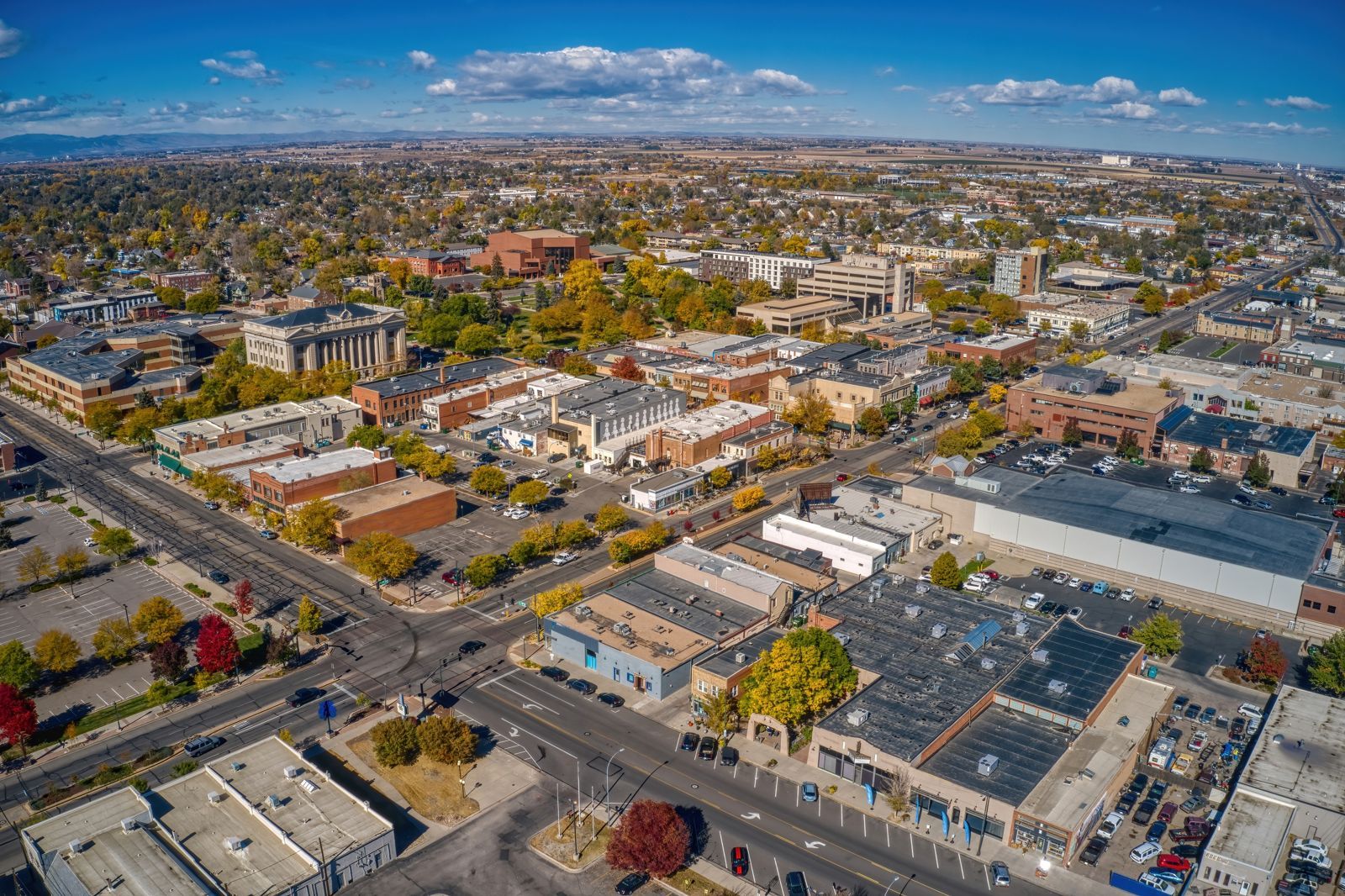
Loveland sits along the Big Thompson River, with the foothills to the west and I-25 to the east. If you're buying here, most of the process works like anywhere else in Colorado.
There's one thing I want every Loveland buyer to look at closely, though: the flood map. New FEMA maps for Larimer County, the City of Loveland included, take effect November 27, 2026. A house that wasn't in a mapped floodplain last month might be now, or the other way around.
Here's the whole process, step by step, with the costs and the flood check built in.
Step 1: Get preapproved
Before you look at houses, sit down with a lender. You'll know your real budget, and the seller will take your offer more seriously with a preapproval behind it.
Ask your lender two questions up front:
- What do my monthly costs look like with taxes and insurance included?
- If the house I pick is in a flood zone, how does flood insurance change my payment?
Hold onto that second answer. It comes back in Step 4.
Step 2: Know who your agent works for
Colorado gives brokers a few ways to work with you. From the Colorado Division of Real Estate's own definitions form:
- Buyer's agent. Works only for you, "with the utmost good faith, loyalty and fidelity," and negotiates as your advocate. The Division says this takes a separate written buyer agency agreement.
- Transaction-broker. Helps the buyer, the seller or both through the deal "without being an agent or advocate for any of the parties." The Division's form says no written agreement is required for this one.
- Customer. If you haven't hired the broker in either role, you're a customer, and the broker has no brokerage relationship with you.
Ask which one you're getting before you start touring, and read anything you sign. How long does it last? What does it cost you? If something doesn't make sense, ask until it does.
Step 3: Write the offer on Colorado's contract
Colorado does something Wyoming doesn't. The Division of Real Estate says brokers are required to use contracts and forms approved by the Colorado Real Estate Commission. So every residential offer in Loveland starts from the same state form, the Contract to Buy and Sell Real Estate (Residential).
The current version was adopted August 5, 2025, with a mandatory use date of January 1, 2026. A few things in it worth knowing:
- It runs on deadlines. There's a table of more than 40 dates: title, the seller's property disclosure, your loan, the appraisal, inspection, property insurance, closing and possession. You and the seller fill them in. Miss one and you can lose a right you had.
- Earnest money goes in a trust account. The form says it's held in a trust account on behalf of both the buyer and the seller, and it's due with the contract unless you agree on a different deadline.
- Water source. The contract has a section on where the drinking water comes from, and notes that some water providers rely on nonrenewable groundwater.
- Radon. The contract carries the state's statement that CDPHE strongly recommends every home buyer have an indoor radon test before buying.
The form itself says it has important legal consequences and that you should consult legal and tax counsel before signing. I'm not an attorney. If anything in the contract doesn't make sense, have a Colorado real estate attorney read it.
Step 4: Check the flood map, before your inspection deadline
This is the Loveland-specific step.
What's changing. A federal notice published August 21, 2026 lists new Flood Insurance Rate Maps for Larimer County and its towns, including the City of Loveland and the City of Fort Collins, effective November 27, 2026. Larimer County says the changes cover portions of the Big Thompson and Cache la Poudre river basins.
How to check a house:
- FEMA's Flood Map Service Center at msc.fema.gov. Anyone can look up and download maps there. FEMA says high-risk flood areas show up as zones that start with A or V.
- Larimer County's Land Information Locator. The county's flood page walks you through turning on the draft layer so you can see which areas are changing.
- The City of Loveland. The city's flood management page points to the Colorado Hazard Mapping Program, where you can enter an address for a flood risk report, and lists city staff to call with flood zone questions.
Why it matters for your loan. FEMA says lenders require flood insurance for buildings in a high-risk flood area when there's a government-backed loan on them. Lenders may require it outside those areas too.
What else FEMA says buyers should know:
- A flood policy usually has a 30-day waiting period, but not when you buy it in connection with getting a mortgage.
- A seller can transfer their flood policy to the new owner.
- From 2014 to 2024, almost one-third of flood insurance claims came from outside the high-risk areas.
So even if a house is outside the mapped zone, ask about flood insurance. Get a quote during your inspection period, while you still have your property insurance and inspection deadlines to work with.
I'm not an insurance agent. For coverage and pricing, talk to one who writes flood policies.
Step 5: Inspection and the seller's disclosure
The Commission has an approved Seller's Property Disclosure (Residential) form, and the contract sets a deadline for the seller to deliver it. Read every line, then have the house inspected.
What to add to a Loveland inspection:
- Radon. The state contract itself recommends testing.
- The roof. Hail is a Front Range fact of life, and roof age matters for your insurance quote.
- The ground. Clay soils that swell and shrink show up along the Front Range. If the house has foundation repair records or an engineer's letter, read them.
- Homes built before 1978. The contract has a Lead-Based Paint Disclosure deadline, and federal rules give you a chance to inspect for lead paint.
We'll tell you the truth about every house. The choice is always yours.
Step 6: Utilities and closing costs
Who runs what. In Loveland, the city is your utility for a lot of it. City of Loveland Utilities, a city-owned utility renamed from Loveland Water and Power in July 2025, provides electric, water, wastewater and broadband. Trash is billed by cart size on the city utility bill, recycling is a monthly city fee, and yard debris pickup runs weekly April through November for an extra fee. You can request service online, or call Utility Billing at 970-962-2111. The Loveland Chamber lists Xcel Energy for natural gas.
At closing. From the Larimer County Clerk and Recorder:
- Deeds and deeds of trust record for $43 per document.
- The state documentary fee is $0.01 per $100 of the sale price, on sales over $500. On a $500,000 home, that's $50.
- The county uses the address on your deed to send your tax bills, so make sure it's right.
- The Clerk has a free Recording Activity Notification service that emails you if a document gets recorded in your name. Sign up after you close.
Property taxes. Colorado taxes homes in two parts, one for local government and one for schools, and the levy depends on your exact tax area. Before you write an offer, have us pull the actual tax bill and check for a metro district. Our post on Northern Colorado metro districts explains why that matters.
Next step
Our free Buyer Guide walks you through the whole purchase, from preapproval to keys. When you're ready to look in Loveland, or want help checking a house against the new flood maps, text me at 307-317-5372. We're licensed in Colorado and Wyoming.
Quick answers
Do Loveland's flood maps change in 2026?
Yes. New FEMA Flood Insurance Rate Maps for Larimer County, including the City of Loveland, take effect November 27, 2026.
Is flood insurance required in Loveland?
FEMA says lenders require it for buildings in a high-risk flood area with a government-backed loan, and lenders may require it elsewhere too.
What contract do Colorado buyers use?
Brokers are required to use the Colorado Real Estate Commission's approved forms, including the Contract to Buy and Sell Real Estate (Residential), current version mandatory from January 1, 2026.
What does it cost to record a deed in Larimer County?
$43 per document, plus a state documentary fee of $0.01 per $100 of the sale price on sales over $500.
Cody Harvey
The Harvey Home Team | Compass
Call or text 307-317-5372
Sources
Facts checked November 20, 2026.
- New FIRMs for Larimer County and incorporated areas including the City of Loveland, effective November 27, 2026: Federal Register, Aug 21, 2026, www.govinfo.gov
- Big Thompson and Cache la Poudre basins, Land Information Locator steps: Larimer County, www.larimer.gov
- City flood management page, Colorado Hazard Mapping Program address lookup, staff contacts: City of Loveland, www.lovgov.org
- Lender flood insurance requirement, 30-day wait and loan exception, policy transfer, msc.fema.gov, A and V zones, one-third of claims outside high-risk areas: FEMA/NFIP, agents.floodsmart.gov
- Brokers required to use Commission-approved forms; Seller's Property Disclosure (Residential): Colorado Division of Real Estate, dre.colorado.gov
- Buyer's agent, transaction-broker, customer; written buyer agency agreement; no written agreement for transaction-broker: Colorado Division of Real Estate, dre.colorado.gov
- Contract adoption and mandatory use dates, deadlines table, earnest money in trust, water source note, radon statement, legal counsel statement: Colorado Real Estate Commission, dre.colorado.gov
- City-owned utility, renamed July 2025, electric, water, wastewater, broadband: City of Loveland Utilities, www.lovelandwaterandpower.org
- Online start service, trash by cart size, recycling fee, yard debris April to November, Utility Billing 970-962-2111: City of Loveland, www.lovgov.org
- Xcel Energy for gas: Loveland Chamber of Commerce, loveland.org
- Pre-1978 homes, 10-day lead paint inspection opportunity: EPA, epa.gov
- $43 per document, documentary fee $0.01 per $100 over $500, grantee address, Recording Activity Notification: Larimer County Clerk and Recorder, www.larimer.gov